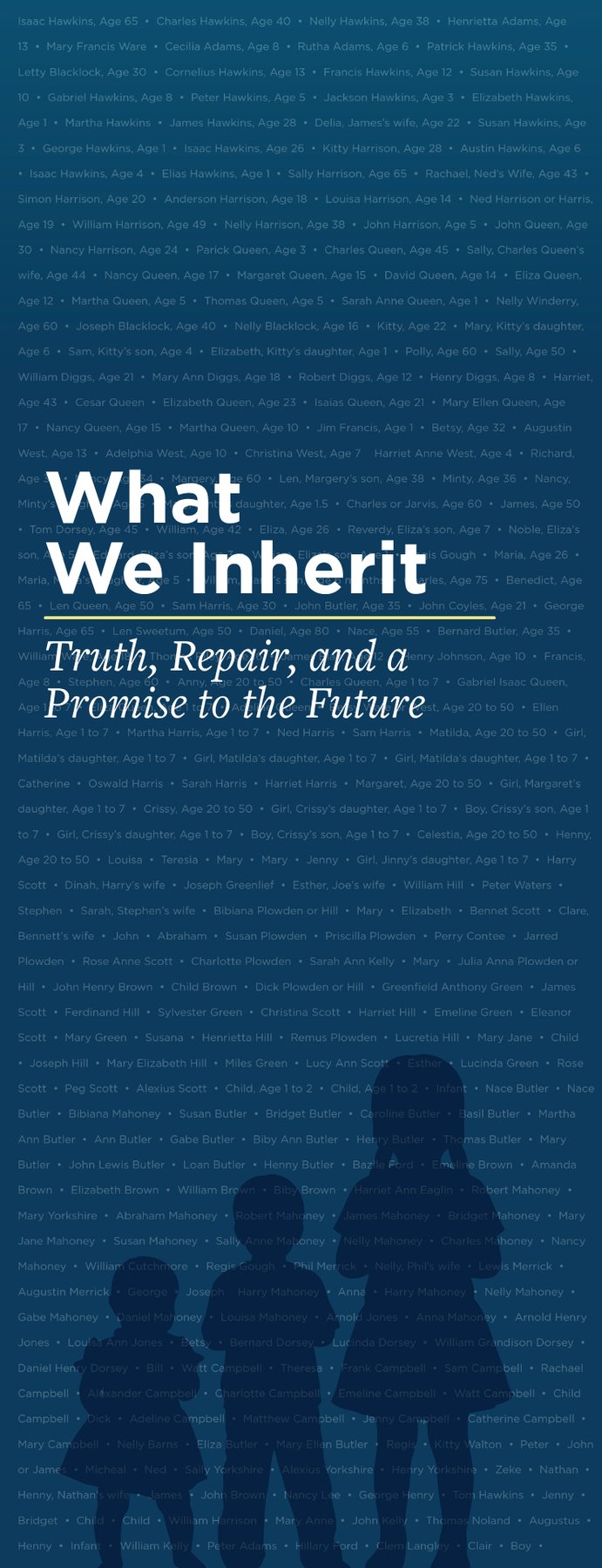
Did you see What We Inherit in person? Tell us what stayed with you.
Share your reflection

What We Inherit / Bibiana
Bibiana “Biby” Mahoney
Born at St. Inigoes, the Jesuit plantation in southern Maryland, around 1793. Sold and shipped to Louisiana in 1838, when the Jesuits broke a promise. Found again by her own Descendant, more than 150 years later.
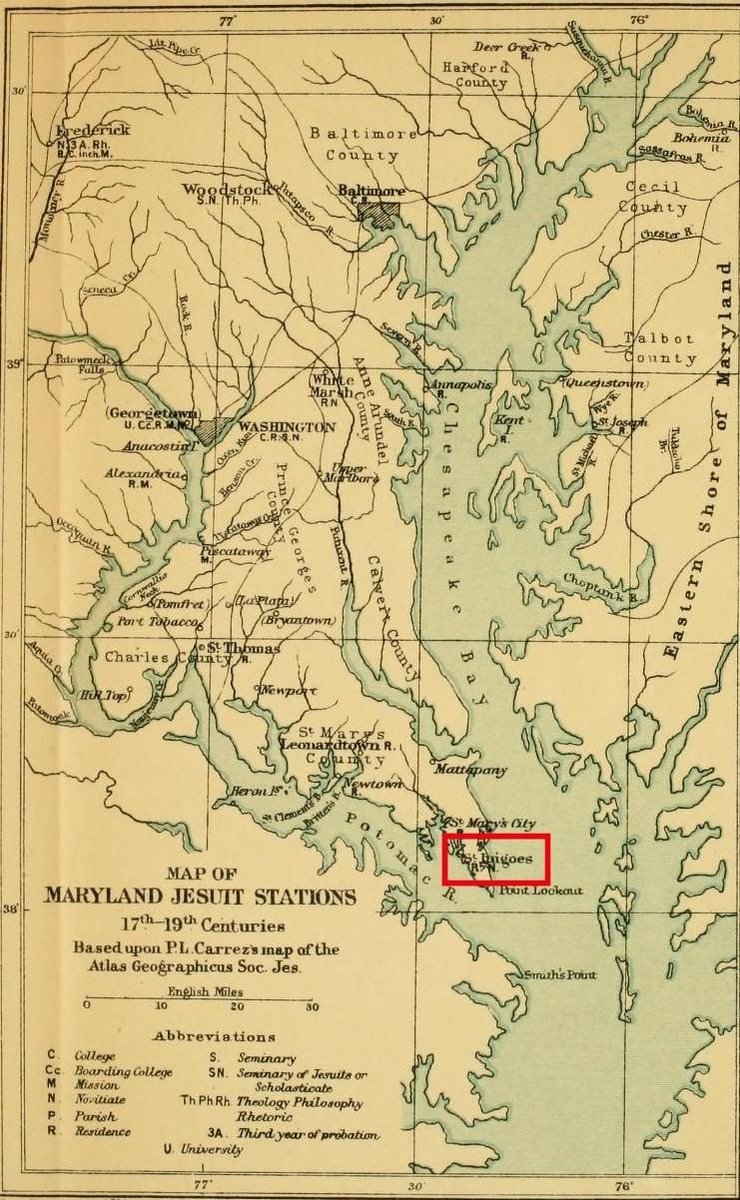
Born at St. Inigoes
St. Inigoes, St. Mary’s County, Maryland
Bibiana Mahoney was born enslaved at St. Inigoes, the Jesuits’ plantation near the southern tip of Maryland, around 1793. She was the eldest of Harry and Anna Mahoney’s eight children. St. Inigoes was one of the oldest Jesuit holdings in Maryland — land the Society had held since the 1630s. It was worked by enslaved people for generations before Bibiana was born.
Bibiana was born into a family that knew it should have been free. Court records show how hard they fought.
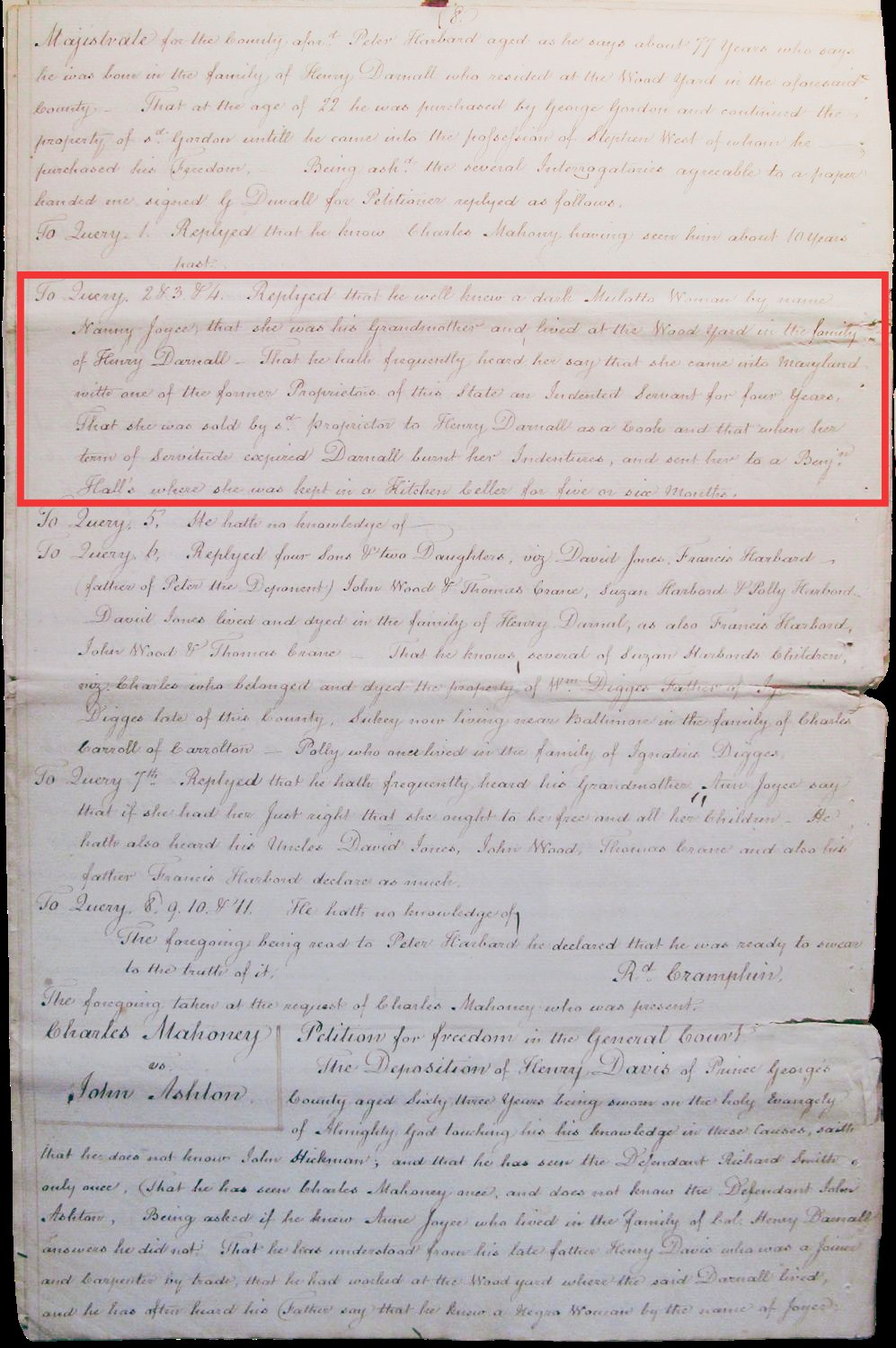
The Mahoney family themselves descended from Ann Joice, who came to Maryland as a free woman in the late 1670s. After her four-year term of servitude ended, the family testified, her indenture papers were destroyed and she was enslaved.
More than 100 years later, Charles Mahoney — a descendant of Ann Joice and relative of Bibiana — sued the Jesuits in Maryland courts, arguing that if Ann was illegally enslaved, then he should be free.
The court records reflect the family’s own account. Peter Harbard, a grandson of Ann Joice, testified in the trial that when Ann’s term of indenture expired, Henry Darnall “burnt her Indentures” and kept her “in a kitchen cellar for five or six months.” Harbard swore under oath that he had often heard his grandmother say that “she ought to be free and all her children.”
In 1799, a jury finally agreed, setting Charles Mahoney free. But just three years later, the verdict was overturned and Charles was re-enslaved. He still didn’t give up, and in 1804, the Jesuit priest in the lawsuit finally set him free. Charles moved to Washington, D.C., and eventually earned enough money to purchase the freedom of his 16-year-old daughter in 1816. Twenty-two years later, the Jesuits would profit from selling many of their kin, including Bibiana.
A Promise Made
1814 · St. Inigoes, Maryland
Two years into the War of 1812, British forces raided the Chesapeake where St. Inigoes sat dangerously exposed to an attack by water. Bibiana’s father Harry, who had served the Jesuits for years, helped to hide the Jesuits’ treasure from plunder during the war. Out of gratitude, the Jesuits promised Harry that his family would never be sold.
They upheld that promise for many years. Bibiana grew up, married Nace Butler, and was raising her children at St. Inigoes. Her parents grew old there, as her brothers and sisters married and had children of their own.
A promise not to sell — like the one Bibiana’s father had from the Jesuits — was the closest thing to security an enslaved family could have.
A Promise Broken
November 1838 · Aboard the Katharine Jackson
In 1838, Fr. Thomas Mulledy, then president of Georgetown, sold 314 men, women, and children from their Maryland plantations to two different owners in Louisiana. Despite the Jesuits’ earlier promise to Harry, the sale included the Mahoney family.
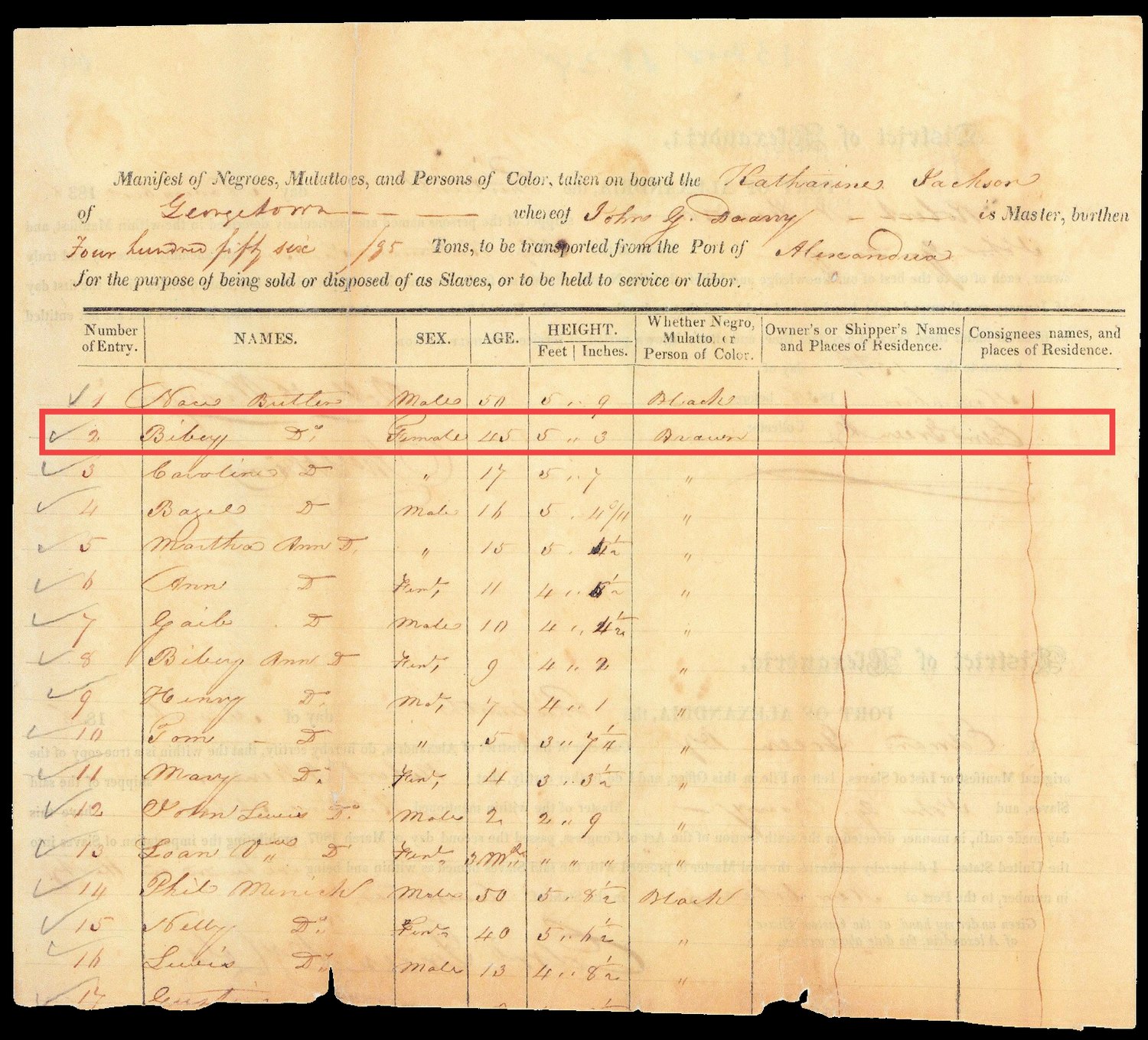
Bibiana was 45 and a mother when she was loaded aboard the Katharine Jackson with her children and her sister Anna and Anna’s children. The ship’s manifest noted her name as “Bibey Butler” and her height as 5’3". The manifest recorded people like cargo.
Her parents and most of her siblings were left behind in Maryland. At the dock in New Orleans, the family was torn apart yet again: Bibiana was taken to a plantation in Iberville Parish, while her sister Anna was sent to Ascension Parish. The sisters who had lived together in a tightly-knit clan their entire lives would live out the rest of their lives apart. Bibiana never saw her parents again.
The Sister Who Hid
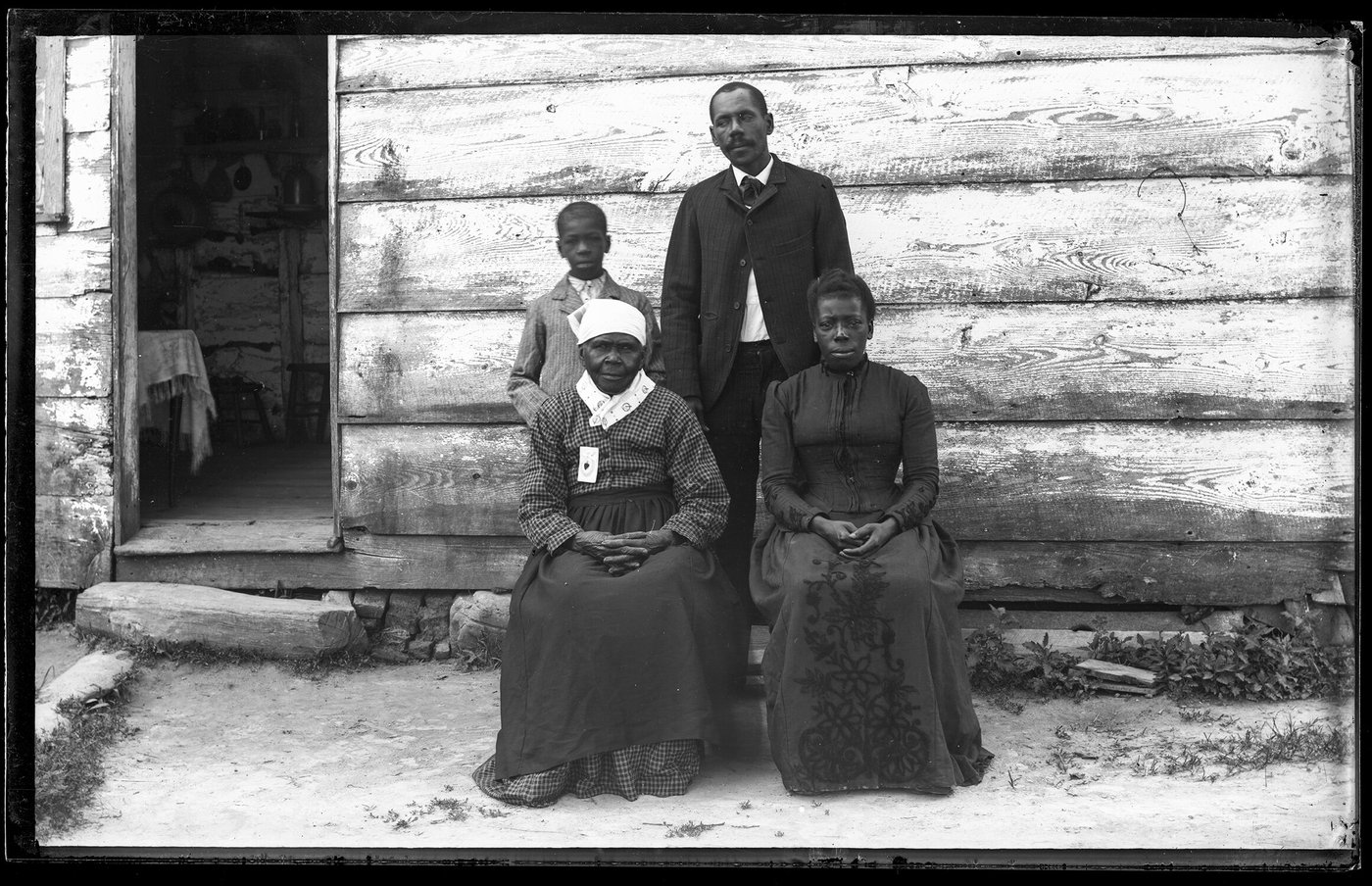
On the day the enslaved were to be rounded up and boarded onto the ships, Bibiana’s youngest sister, Louisa, and mother, Anna, ran to the woods and hid until the ships were gone. Father Joseph Carbery had quietly warned the Mahoney family that the round-up would happen, but escape wasn’t possible for all of them – particularly those Mahoneys with young children. Louisa, however, was in her early 20s and able to run, hiding with her mother until it was safe.
Louisa and her parents stayed at St. Inigoes for the rest of their lives. Louisa remained enslaved until Maryland abolished slavery in 1864. She died free in 1909, at about 97.
In 2023, archivists discovered a photograph of her, taken around the turn of the century. It is the only known photograph of an immediate member of Bibiana’s family.
Life in Louisiana
1838–1870 · Iberville Parish, Louisiana
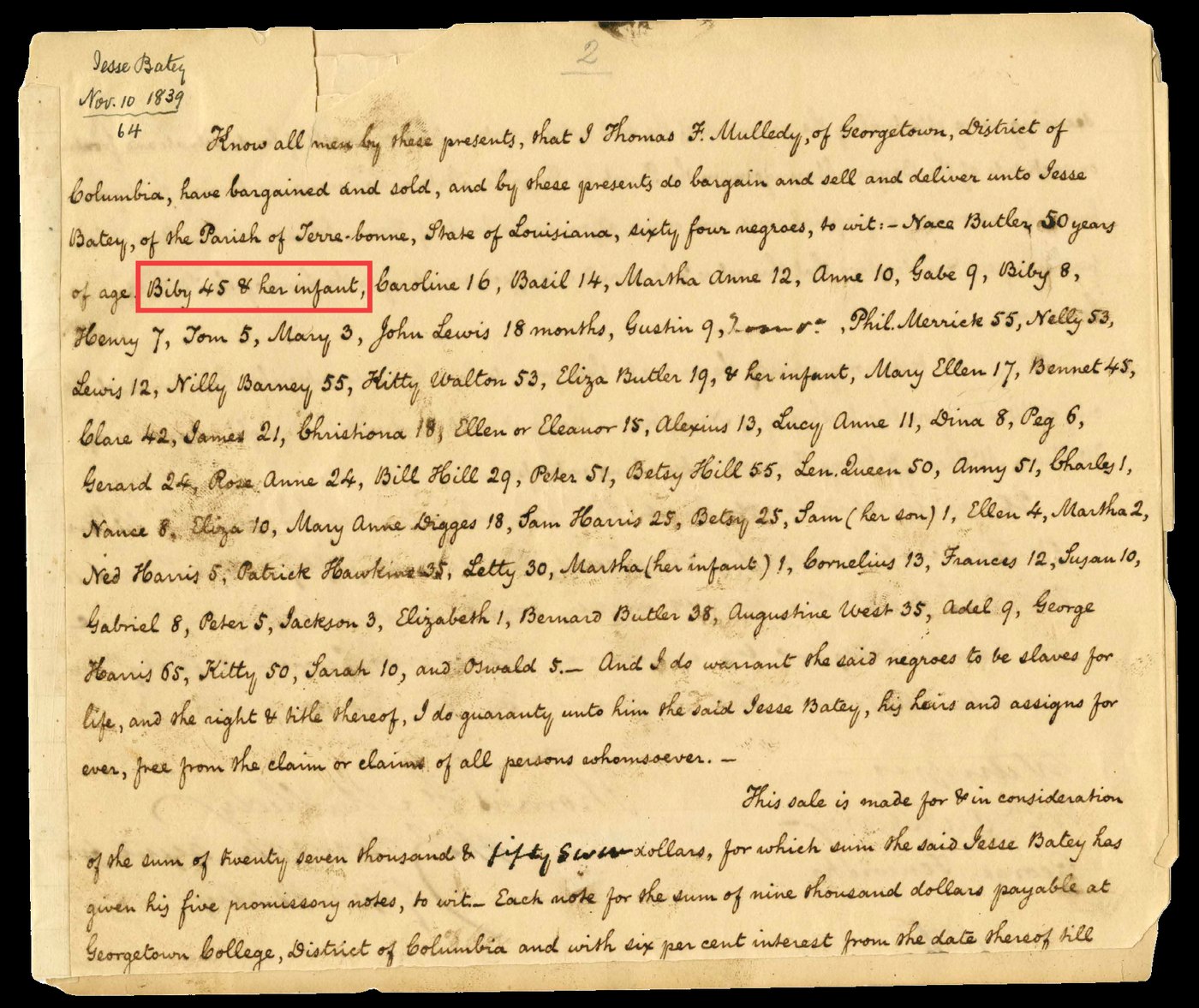
Bibiana and her children were enslaved on Jesse Batey’s plantation in Iberville Parish. The inventories that track her through the ensuing years use the name her family called her by: Biby. By 1851 a record refers to her as “Old Biby.” She would have been about 58 at the time.
The Mahoney family grew ever more connected to other families that had come from Maryland. Her daughter Biby Ann married Francis “Frank” Hawkins, the younger brother of Cornelius, all of whom had been children on the ship in 1838.
In the 1870 census, which was the country’s first after emancipation, Bibiana appears again — this time as Biby Butler, nearly 80 years old, and a freed woman, living in Iberville Parish.
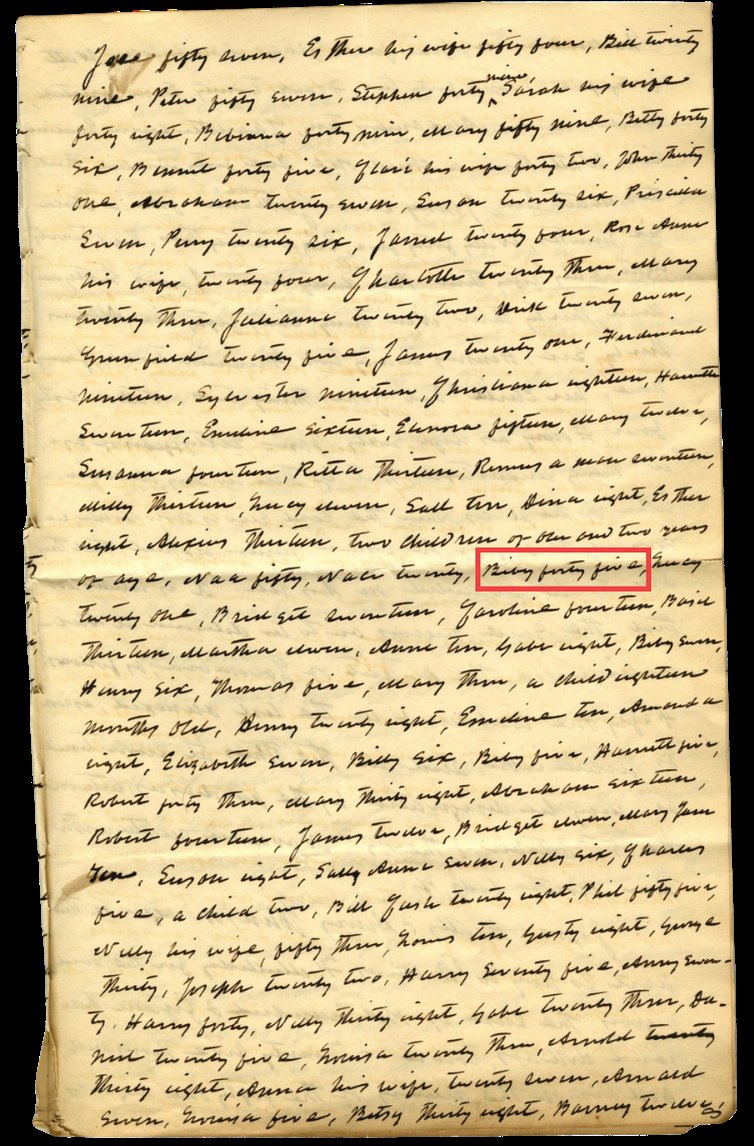
For more than 150 years, Bibiana’s story gathered dust in Jesuit archives. Then a granddaughter found her.
In the early 2000s, a retired teacher and genealogist named Patricia Bayonne-Johnson was tracing her family tree. She dug deeper and deeper through records, following a thread that led back through Louisiana, a plantation in Iberville Parish, and a ship called the Katharine Jackson — and finally to a name on the Jesuits’ 1838 sale documents: Bibiana.
Patricia is Bibiana’s great-great-great-granddaughter, and her research helped open one of the most consequential reckonings in recent American history.
A Network of Kin
Two threads, once pulled apart, rejoined by chance
The 314 people sold in 1838 were not strangers to one another — Hawkinses married Queens, Butlers married Mahoneys, Plowdens married Hills. Today, there are more than 10,000 living Descendants of those enslaved by the Jesuits, and cousins find each other anew every day.
But no story better captures the power of research and modern DNA testing than the story of Patricia Bayonne-Johnson, the Descendant who first discovered Bibiana’s past.
For Christmas one year, Patricia — Bibiana’s great-great-great-granddaughter — gave her family DNA kits. One was for her own daughter, whom she adopted as an infant in California in the early 1970s.
In 2017, the results came back with shocking news: Patricia’s daughter, too, is a Descendant of the 1838 sale — through a different family entirely. While Patricia descends from the Butlers, her daughter descends from Frank Campbell, who, like Bibiana, was sold to Jesse Batey of Louisiana. Both were shipped south that year, to the same buyer. Eventually, Frank Campbell would even marry into the Mahoney family.
In a stunning twist of fate, two threads of the same web were reunited in a single household a century and a half later, this time as mother and daughter.
Monique Trusclair Maddox
As a Descendant of Nace Butler, Bibiana Mahoney, and Isaac Hawkins, Monique grew up in the Louisiana town of Maringouin, an epicenter for Descendants of Jesuit slaveholding. Today she is President and CEO of the Descendants Truth & Reconciliation Foundation, leading the work of repair for the historical harm that many Descendant families still bear today.
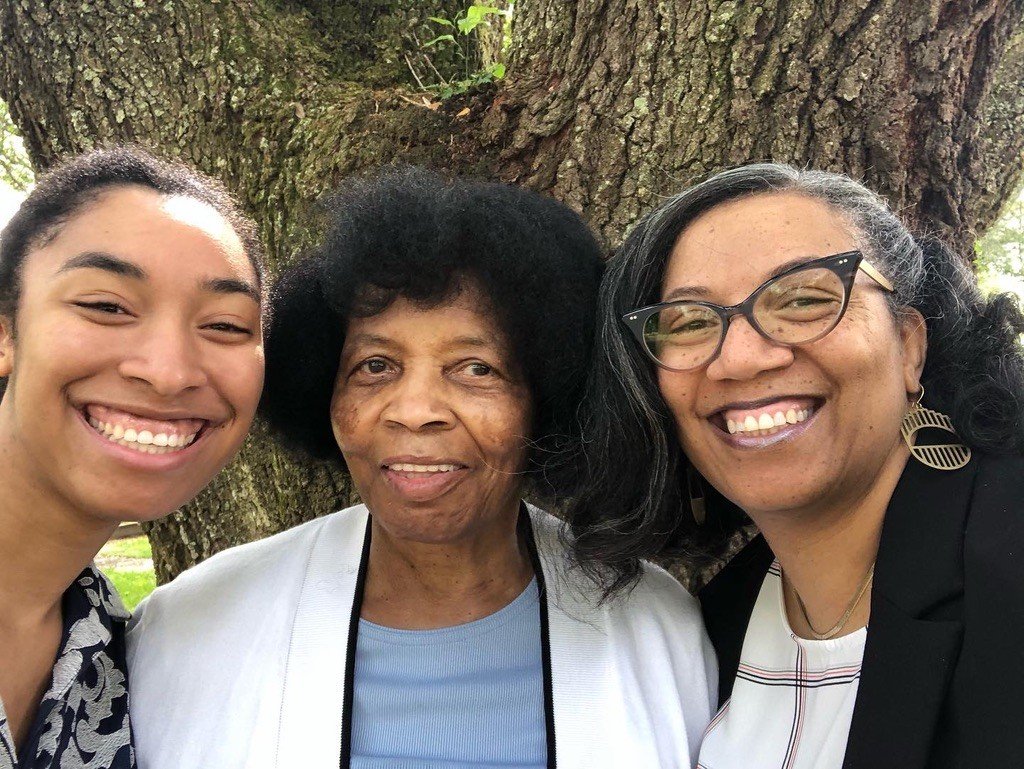
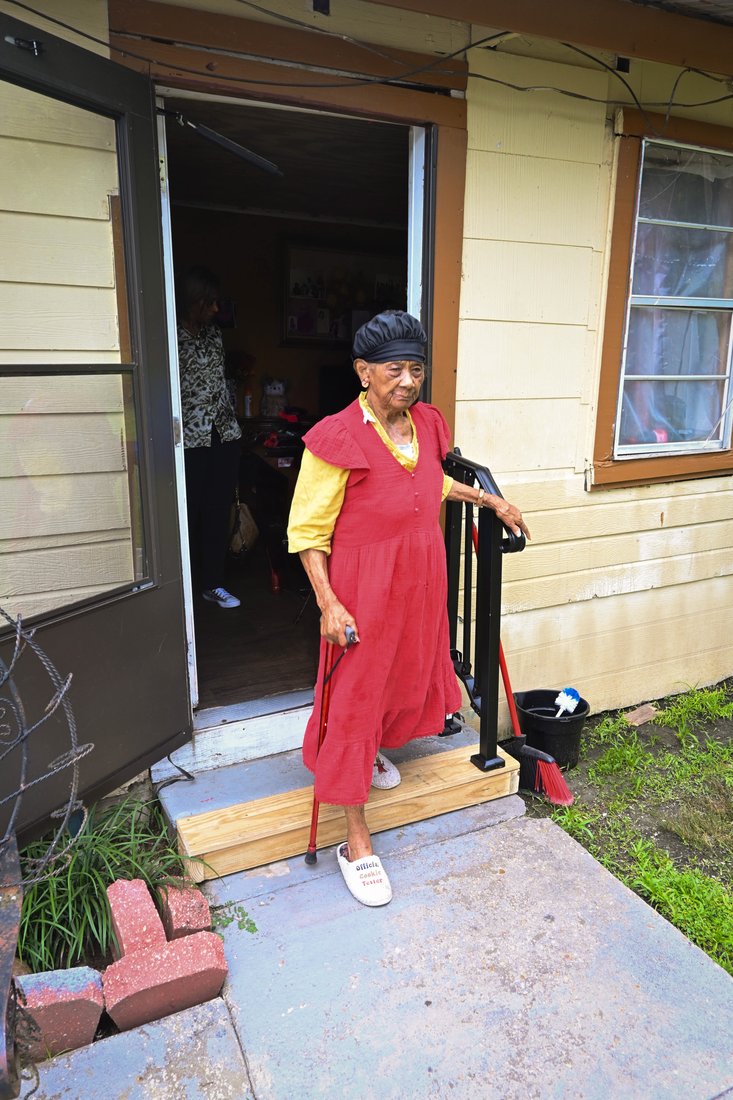
Lillian Perry
Lillian is the great-granddaughter of Biby Ann, Bibiana’s daughter, and today she lives near the plantation Bibiana was sold to.
Next Steps

Walk with Cornelius “Neely” Hawkins, 13
The eldest of eight, sold with his whole family aboard the last ship. In 2016, an image of his gravestone in The New York Times uncovered this story for the world.
Walk with Cornelius
Walk with Peter Queen, 21
Never on the ships: taken west nine years before the sale. After 1849, the records go quiet. The search for Peter continues.
Walk with Peter
Are You a Descendant?
Take this quiz to see whether you could be a descendant of those enslaved by the Jesuits.
Take the QuizApply for Certification
To be eligible for DTRF programs and benefits, you must be a Certified Descendant.
Become Certified
Explore Our Timeline
Explore the centuries of history that lead from enslavement to repair.
Explore Now
Bring the Exhibit to Your Community
What We Inherit travels to museums, universities, libraries, and community spaces nationwide.
Contact Us