
In the 16th, 17th and 18th centuries, the Society of Jesus (Jesuits) and the Catholic Church were among the largest slaveholding institutions in America. During this time, the Jesuits funded some of the most prestigious institutions of higher education in America in part through profits earned on their plantations.
In 1838, to save Georgetown University from financial ruin, the Society of Jesus sold more than 272 enslaved people from their five Maryland plantations. Some of these enslaved individuals—women, men, children and infants—were torn from their families and sold to plantation owners in southern Louisiana and held as collateral by Citizens Bank of New Orleans between 1838 and 1865. Citizens Bank has since been acquired by JPMorgan Chase.
This story was lost to history until 2004 when descendant Patricia Bayonne-Johnson uncovered it while researching her family tree. Since that time, extensive genealogical research by individuals such as Richard Cellini of the Georgetown Memory Project and the Jesuits has identified more than 10,000 descendants of those enslaved by the Society of Jesus and the Catholic Church, and those numbers continue to grow. Many are still alive today and have come together to form the GU272 Descendants Association. The Association’s mission is to identify, unite and pursue the greater common good of present and future descendants of Jesuit and Catholic slaveholders in the United States.
On September 20, 2019, the GU272 Descendants Association, the President of the Jesuits Conference in the United States, and U.S. Provincials signed a joint memorandum of understanding to establish a $1 billion irrevocable trust and a Descendants Truth & Reconciliation Foundation, which will work to address and heal the wounds of that betrayal of human dignity and the millions of others like it that have occurred in America before and since.
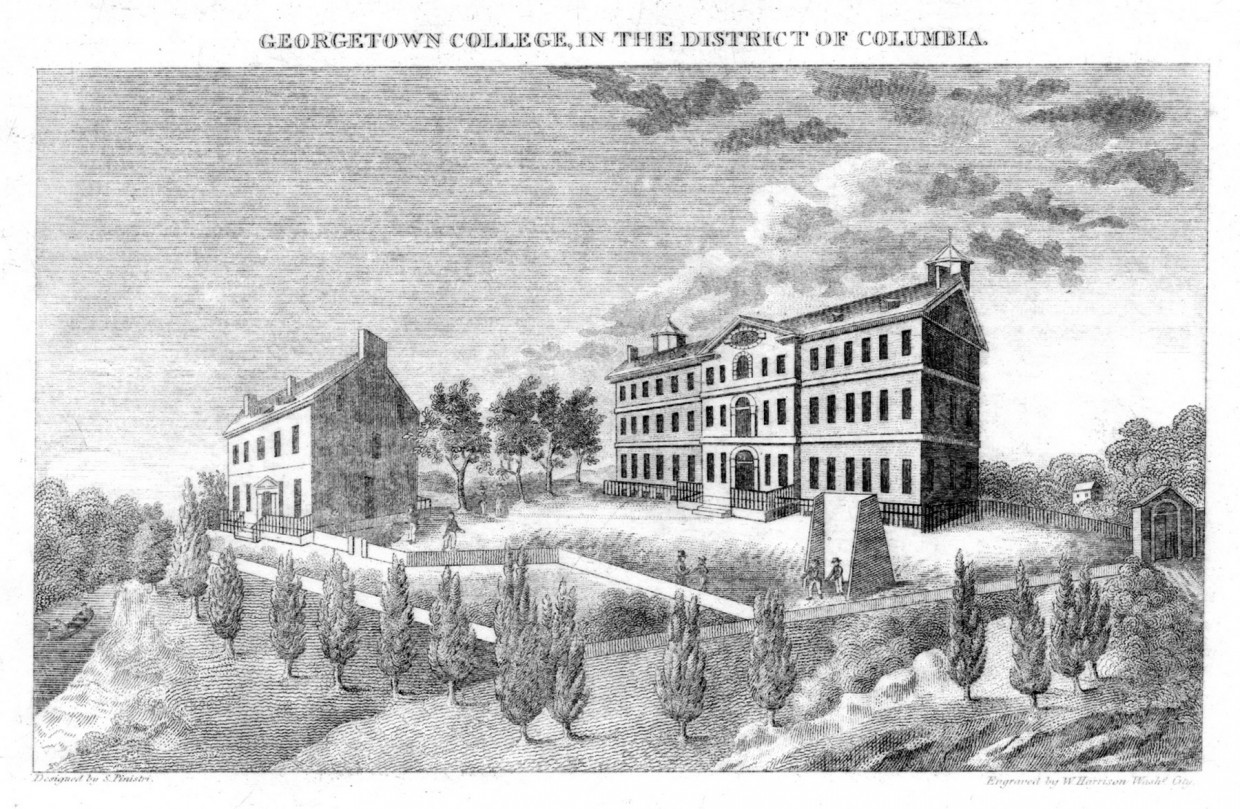
Georgetown University (formerly Georgetown College) circa 1829
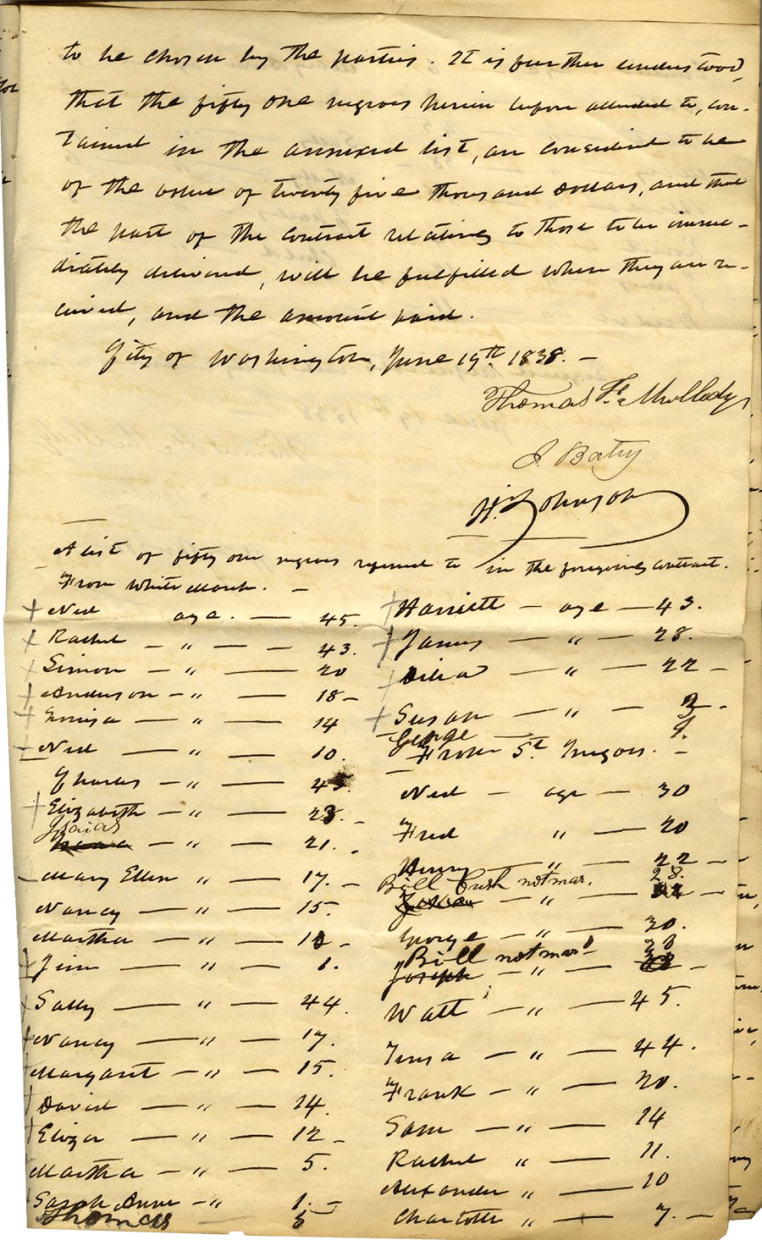
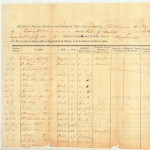
June 19, 1838, articles of sale between Thomas F. Mulledy of Georgetown, District of Columbia, and Jesse Beatty and Henry Johnson of the State of Louisiana. According to Citizens Bank records, the institution held as many as 13,000 enslaved people as collateral. Source: Georgetown Slavery Archive
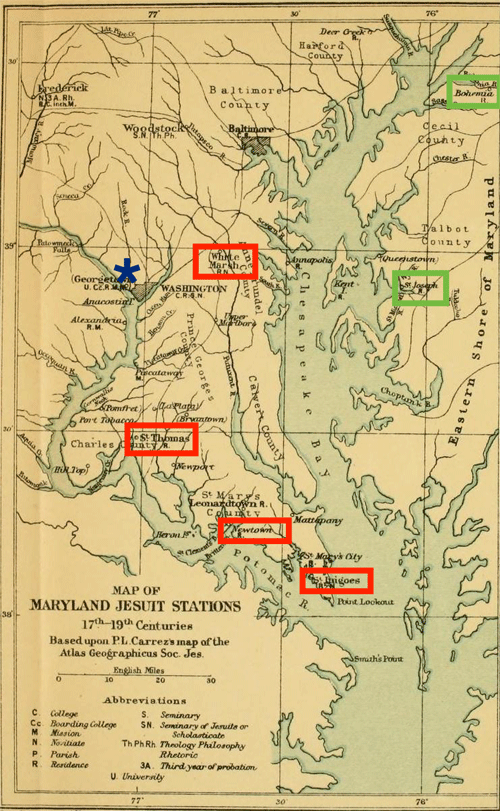
A map showing the locations of some of the Jesuits' plantations in Maryland in the 17th, 18th, and 19th centuries.
1634
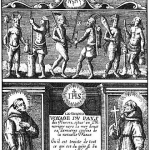
Jesuits come to the colonies and begin establishing a stronghold. The first documented instance of Jesuits owning slaves is in 1711, although they held people enslaved in the Americas much earlier.
1838
Jesuits sell more than 272 men, women and children to prop up the finances of Georgetown University and expand the Jesuit mission in America.
1853
Many of the 272 are resold to other plantations, having been held
2015
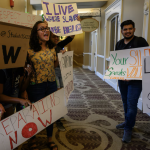
An awareness and reckoning of the Jesuits' slaveholding past starts to grow at Georgetown University.

The New York Times publishes a story about the Jesuits' slaveholding history. As the story is thrust into the public eye, hundreds of living Descendants learn a shocking truth about their family history for the first time.
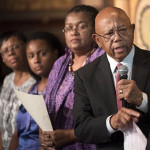
At a convening at Georgetown University, a group of Descendants take the stage with university President Jack DiGioia and demand a Descendant-led path forward: "Nothing about us without us."
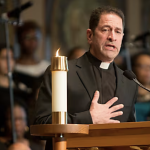
2017
Jesuits and Georgetown officially apologize to Descendants. A group of Descendants petitions Superior General Arturo Sosa to send Jesuit visitors to the U.S. to take actions to mitigate the impact of slavery. Father Sosa says the Jesuits committed a "sin against God and a betrayal of the human dignity of your ancestors."
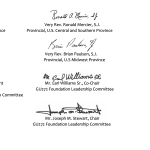
2019
Descendants and Jesuits sign a Memorandum of Understanding establishing the Descendants Truth & Reconciliation Trust.
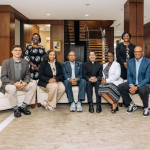
2020
The formation of the Trust and Foundation are complete, and the 13-member Board of Trustees of the Descendants Truth and Reconciliation Foundation holds its inaugural meeting.
2021
The Descendants Truth & Reconciliation Foundation launches to the public with an exclusive New York Times article about the 1838 sale and the formation of the Foundation.

The Board votes to move the Foundation into the operational phase, enabling the start of programming.

The JPMorgan Chase Foundation awards the Descendants Truth & Reconciliation Foundation with a $2.5 million grant for general operating support.

2024
The Foundation launches its first program: a scholarship initiative in partnership with Thurgood Marshall College Fund.
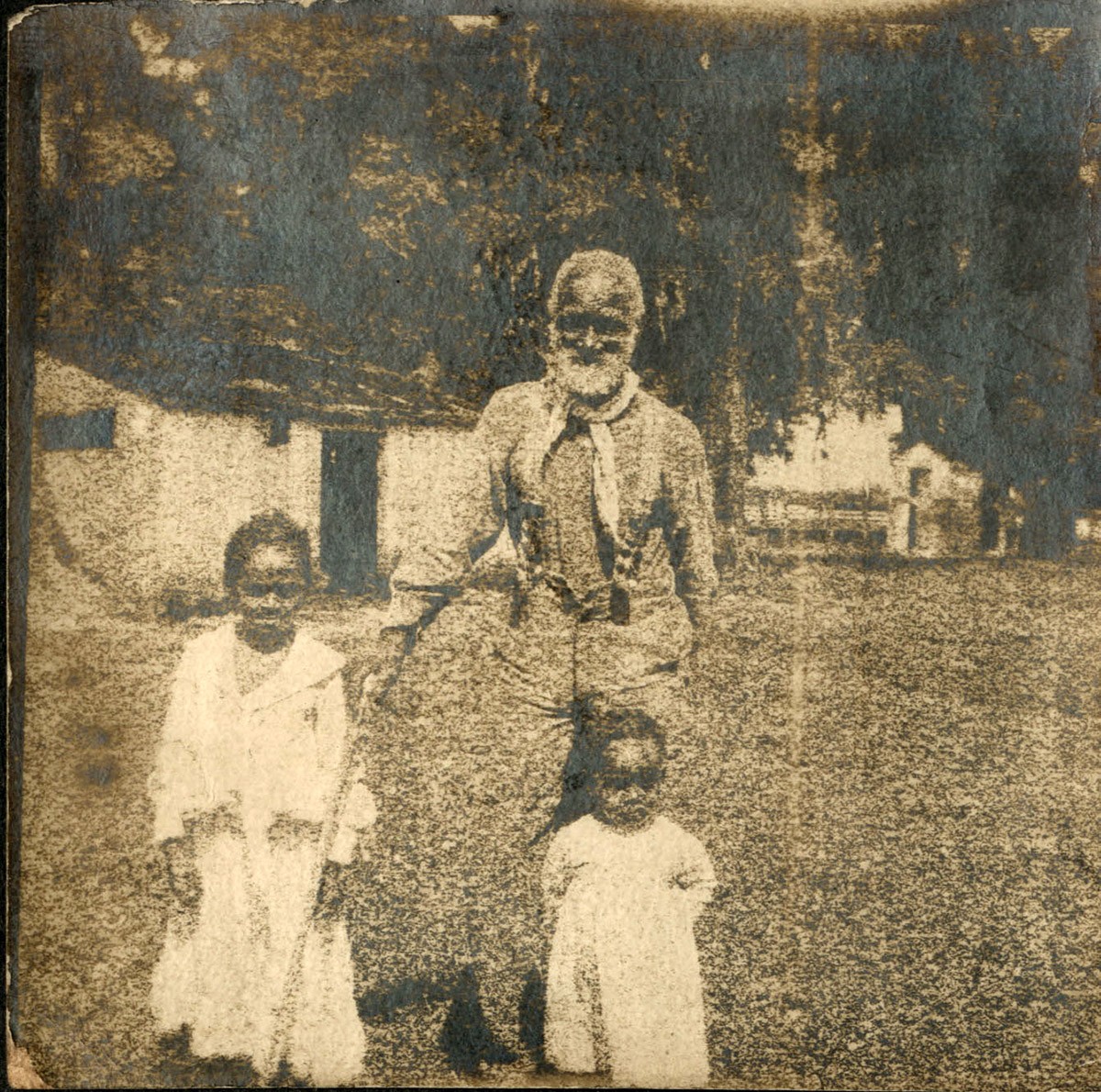
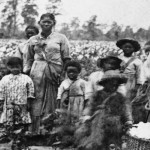
Frank Campbell, one of the enslaved people sold by the Maryland Jesuits in 1838. This photograph is included in a scrapbook from the early 1900s that belonged to Robert Ruffin Barrow, Jr., which is held at Ellender Memorial Library, Nicholls State University. The younger girl in the photograph has been identified as Frank Campbell's granddaughter, Mary Jane. Source: Georgetown Slavery Archive
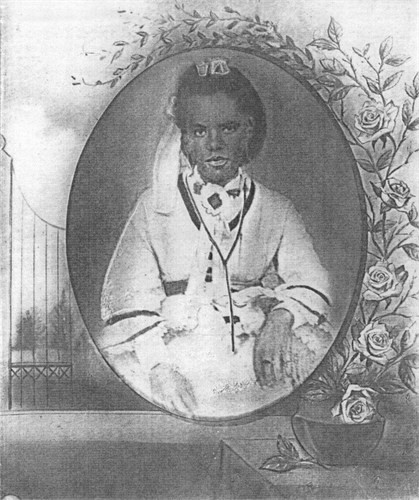
Mary Elizabeth Gough was born in 1853 to parents Ignatius and Sally Gough in Louisiana. Her parents and family, initially enslaved to the Jesuits, were sold several times before the end of slavery, when she went to work as a domestic servant for the family of lawyer John F. Smith.
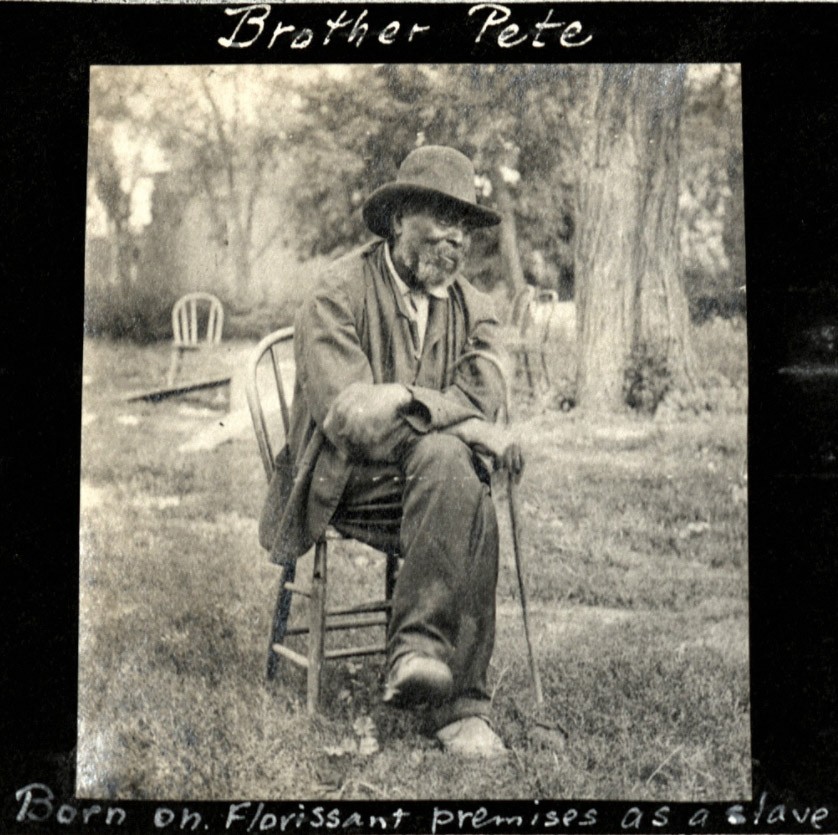
Peter Hawkins, born in 1824 and pictured here in 1905, was the first child born into slavery at the Jesuits’ Saint Stanislaus Novitiate and Farm in Florissant, Missouri. In 1823, his parents were sold from the Jesuit plantation in White Marsh, Maryland.